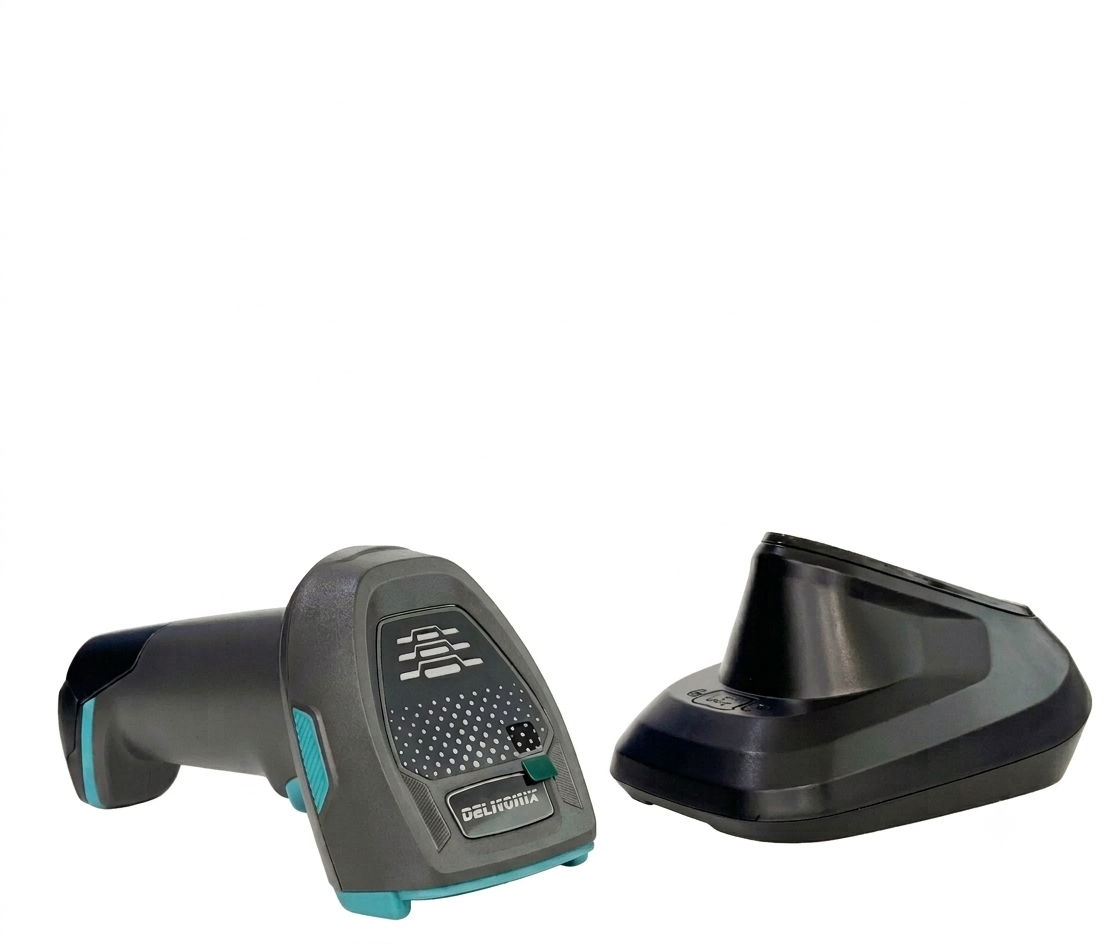
Made in India Enterprise Hardware for AIDC, AI & Industrial IoT

Bring intelligence closer to the operation.

Process operational information closer to where it is generated with enterprise edge hardware designed to support real-time analytics, industrial AI and connected operations without relying solely on cloud processing.

Vision AIPredictive MaintenanceQuality InspectionSmart Manufacturing
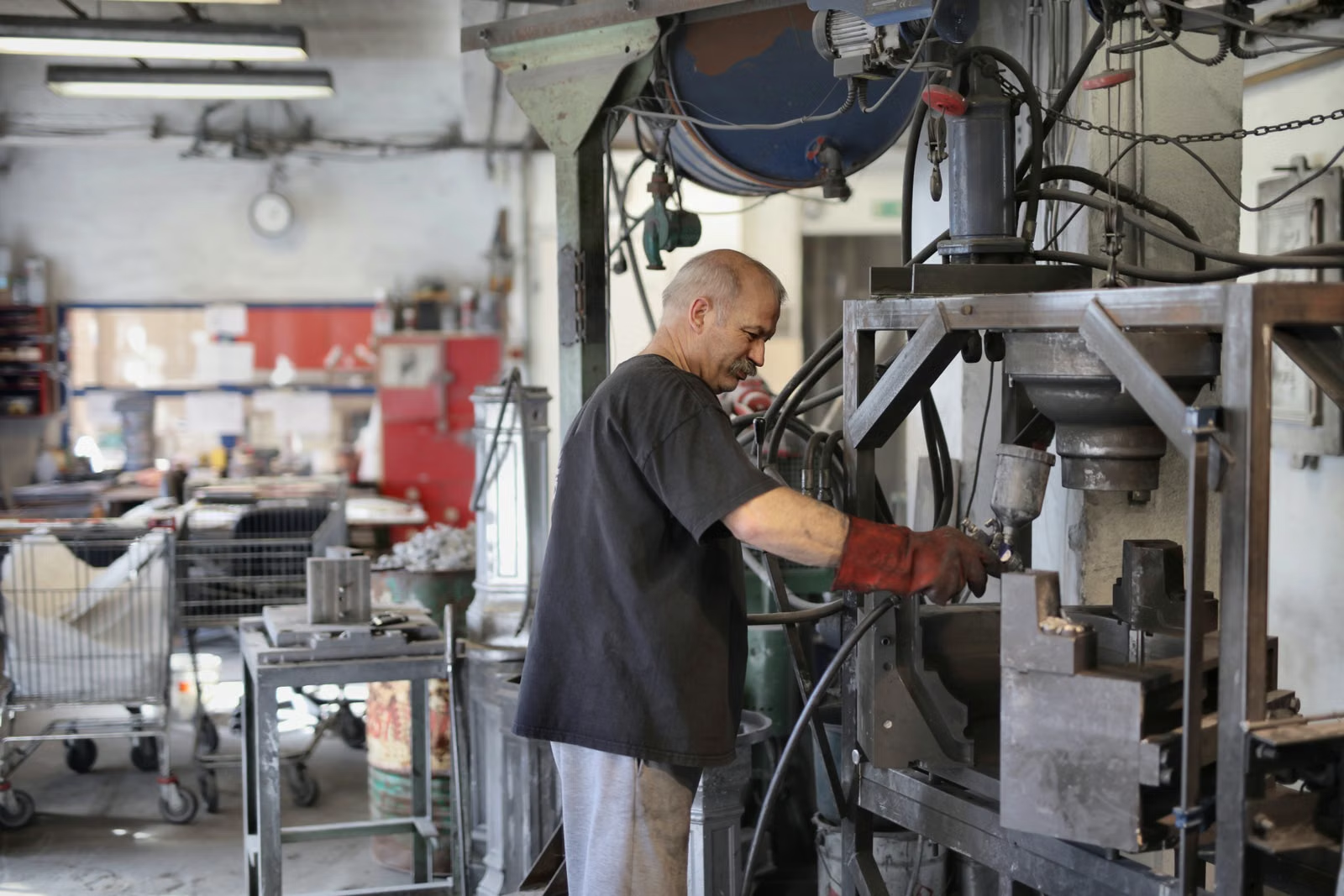
Industrial manufacturing environment for edge AI applications
Operational Edge ContextAnalyse closer to the source. Act closer to real time.
01Capture
02Process Locally
03Analyse
04Act
Industrial manufacturing environment for edge computing and connected operations
Operational Edge Processing closer to machines, cameras and connected assets.
Shorter Decision Path Source → Edge → Action

Keep selected processing closer to operational activity instead of sending every workload through a remote path.

Why Edge Computing

Process closer to the source. Respond closer to real time.

Edge computing allows selected workloads to be analysed locally instead of relying solely on remote infrastructure for every operational decision. This can support faster insight, lower network dependency and real-time operational response.

01 / SOURCE

Capture operational data.

Machines, cameras and connected assets generate information at the point of activity.

02 / EDGE

Analyse information locally.

Selected workloads can be processed closer to where operational data is created.

03 / ACTION

Support faster response.

Local intelligence can support monitoring, inspection, maintenance and automation workflows.

The goal is not to replace cloud infrastructure. It is to place selected processing where it best supports the operational workflow.
Faster Decisions Shorter processing path
Lower Network Dependency Selected workloads handled locally
Real-Time Analytics Closer to operational activity
AI Edge Applications

See, predict and act closer to the operation.

Use edge intelligence where visual information, machine data and connected operations need faster local analysis and a shorter path from operational signal to response.

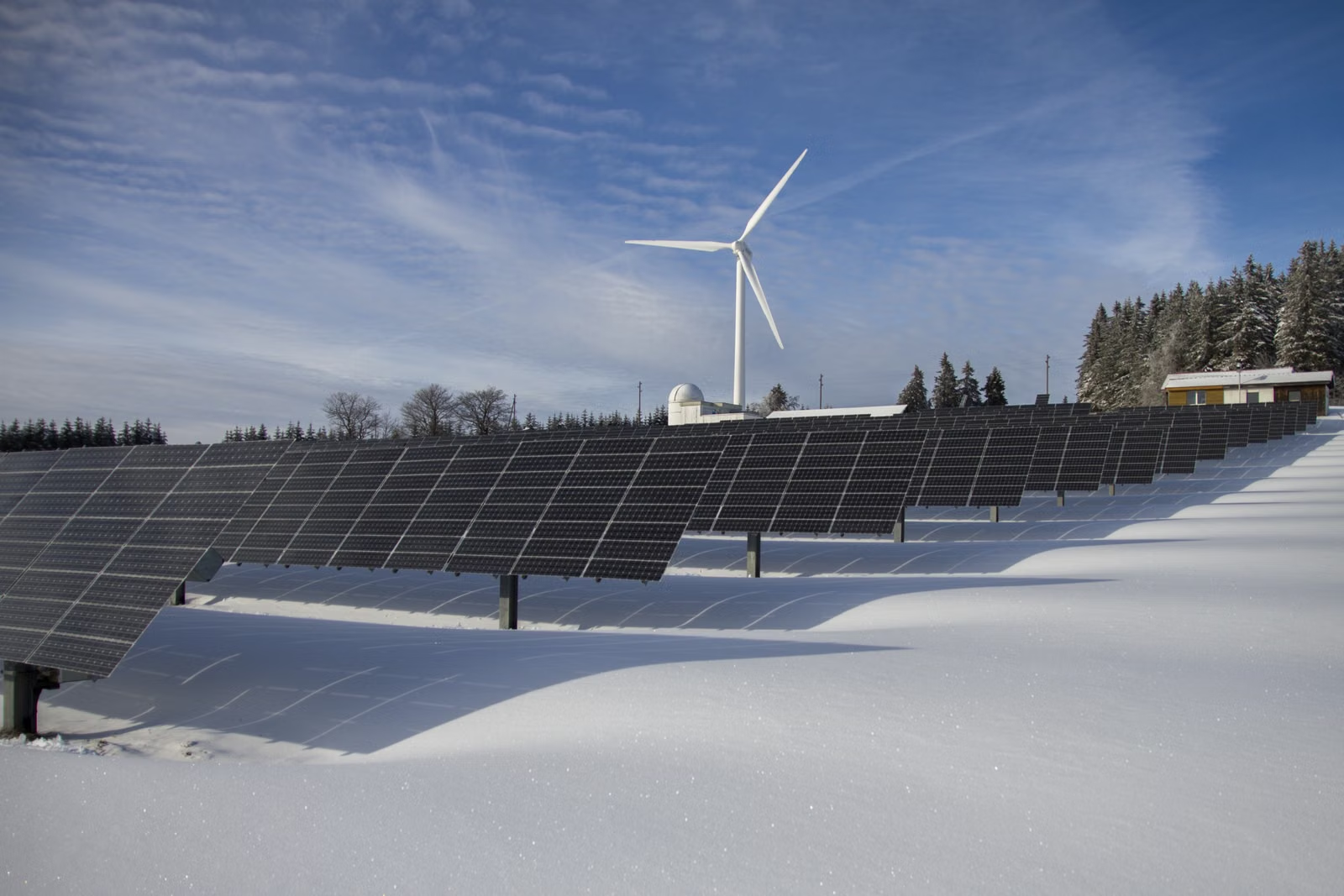
Industrial engineering environment for AI edge applications
Visual Intelligence Analyse visual information closer to production activity.
01 / Vision AI

Vision AI & Quality Inspection

Process visual information closer to cameras and production activity where faster interpretation can support inspection and quality-control workflows.

02
Equipment Intelligence

Predictive Maintenance

Analyse selected machine and equipment information closer to connected industrial assets.
03
Connected Operations

Intelligent Monitoring

Support faster visibility into changing operational conditions across connected systems.

04
Automation

Smart Manufacturing

Bring intelligent processing into automated production and Industrial IoT environments.

Vision AI Visual analysis at the edge
Predictive Maintenance Machine insight closer to assets
Monitoring Operational visibility
Automation Local intelligence in workflows
Cloud vs Edge

Place processing where it best supports the workflow.

Edge and cloud infrastructure serve different roles. The practical decision is where each workload should be processed for the operation it supports.

Cloud Processing

Remote processing path

Operational information is sent to remote infrastructure before analysis and results return to the operation.

LocationRemote infrastructure
DependencyGreater reliance on network connectivity
RoleCentral systems and broader enterprise processing
Edge Processing

Local intelligence path

Selected workloads are analysed closer to machines, cameras and connected operational systems.

LocationCloser to the operational source
DependencyLower remote-network dependence for selected workloads
RoleReal-time analytics and operational response
Edge + Enterprise Systems

The goal is not to replace cloud infrastructure. It is to decide which workloads benefit from processing locally and which belong in wider enterprise systems.

Industrial AI Workflow

From operational signal to intelligent action.

A practical edge workflow moves selected information from capture to local processing, analysis and operational response.

01 / CAPTURE

Receive operational information.

Machines, cameras and connected assets generate information at the point of activity.

02 / PROCESS

Bring selected processing local.

Selected workloads are processed closer to the source instead of relying solely on remote infrastructure.

03 / ANALYSE

Turn data into insight.

Local analysis supports inspection, monitoring and other real-time operational use cases.

04 / ACT

Feed insight back into operations.

Use local intelligence to support faster operational response across connected environments.

Capture → Process Locally → Analyse → ActOperational Edge Workflow
Industries & Use Cases

Intelligence becomes useful when it enters the operation.

Edge computing can support environments where machines, visual systems and connected assets generate information that benefits from faster local analysis.

Manufacturing production environment
01 / Manufacturing

Vision AI & Quality Inspection

Analyse visual and production information closer to manufacturing activity.

Industrial technician working with machinery
02 / Equipment

Predictive Maintenance

Bring selected machine analysis closer to connected industrial assets.

Distributed industrial infrastructure
03 / Connected Operations

Industrial Automation

Support connected and automated workflows with local intelligence.
Selecting Edge Hardware

Define the workload first. Then define the hardware.

01 / Environment

Where will it operate?

Define the physical and operational deployment environment.

02 / Workload

What must happen locally?

Define the information, analysis and response required at the edge.

03 / Integration

What needs to connect?

Define machines, networks, systems and enterprise applications.

04 / Deployment

How will it be managed and scaled?

Consider management, service requirements and future rollout plans.

Before comparing specifications, define:
  • Operational environment
  • Processing workload
  • Connectivity requirements
  • System integration
  • Device management
  • Support expectations
  • Future scalability
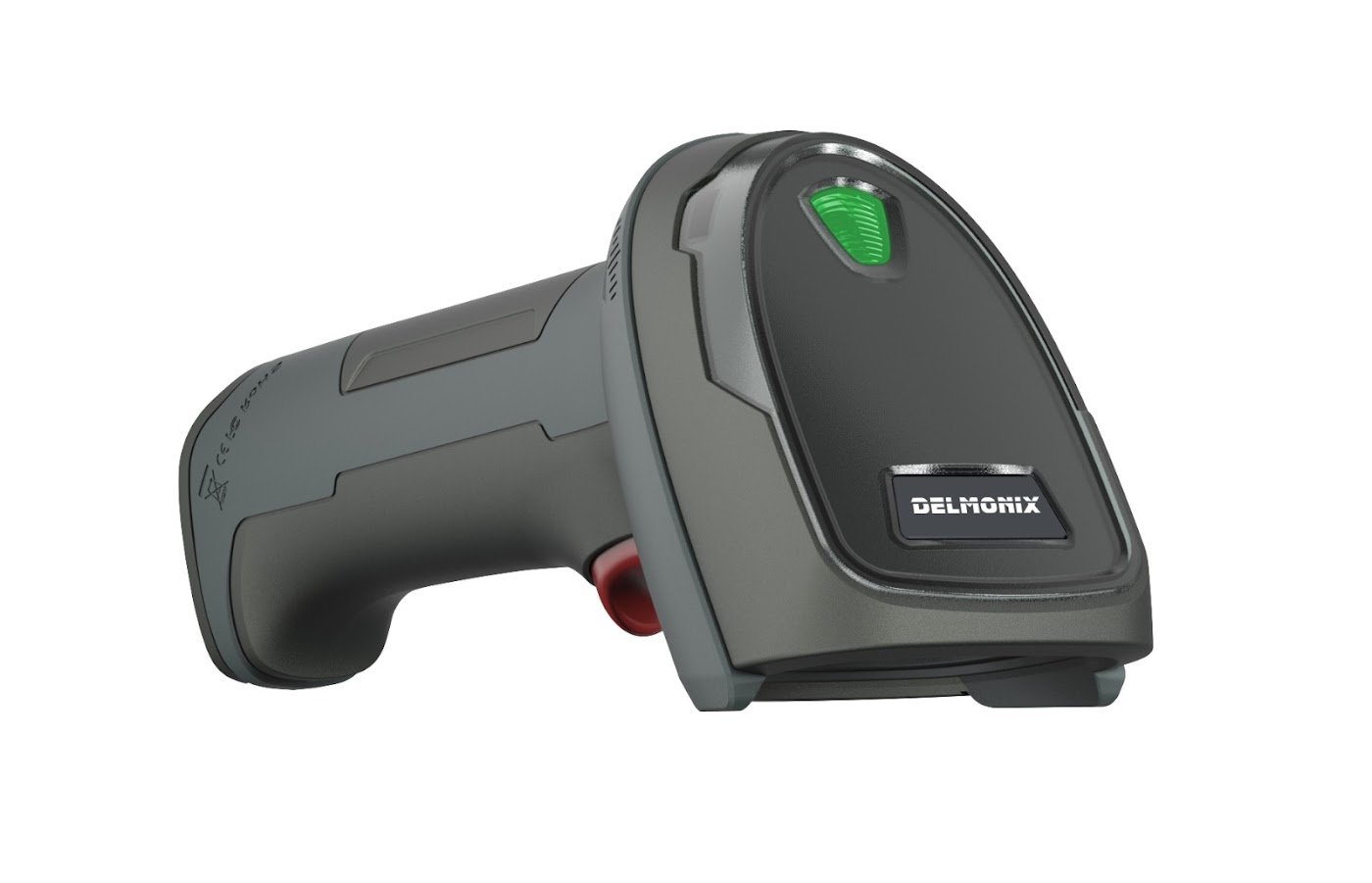
Delmonix DX740 industrial barcode scanner
Delmonix DX730BT wireless industrial barcode scanner
18+Years of Industry Expertise
Why Delmonix

Enterprise hardware built for connected, intelligent operations.

Delmonix brings more than 18 years of enterprise hardware experience into a Made in India portfolio spanning AIDC, enterprise mobility, AI and Industrial IoT.

01 / PortfolioEnterprise-grade product portfolio
02 / SupportPan-India service & warranty
03 / DirectionBuilt for AI & Industrial IoT
04 / EnterpriseDesigned around operational use
Frequently Asked Questions

Questions about AI & IoT Edge Devices.

A practical overview of edge processing, AI workloads, Industrial IoT applications and planning considerations.

01What are AI Edge Devices?

AI Edge Devices process Artificial Intelligence workloads closer to where operational information is generated, helping enable faster analysis and real-time automation without relying solely on cloud infrastructure.

02Why process AI workloads at the edge?

Processing closer to the operational source can shorten the path between incoming information, analysis and response. It can also reduce dependence on remote connectivity for selected workloads.

03Does edge computing replace cloud infrastructure?

Not necessarily. Edge computing allows selected processing to happen locally while cloud and other enterprise systems can continue to support broader applications and centralized systems.

04What applications can use AI Edge Devices?

Typical applications include Vision AI, predictive maintenance, smart manufacturing, quality inspection, industrial automation and intelligent monitoring.

05How does AI Edge relate to Industrial IoT?

Industrial IoT connects operational assets and systems, while edge processing can bring local intelligence closer to the information those connected environments generate.

06What should businesses define before selecting edge hardware?

Start with the operational environment, workload, connectivity requirements, integration with existing systems, device management needs, service expectations and future scalability.

AI & Industrial IoT

Tell us what needs to happen at the edge.

Share the operating environment, data source, processing requirement, connected systems and deployment plan. Start with the operational problem — then define the hardware around it.

LocationPune, India